Targeted arachnid eradication prioritizes biological understanding over indiscriminate chemical spraying. Spiders enter residential structures across Franklin County seeking food reserves, primarily small insects drawn…
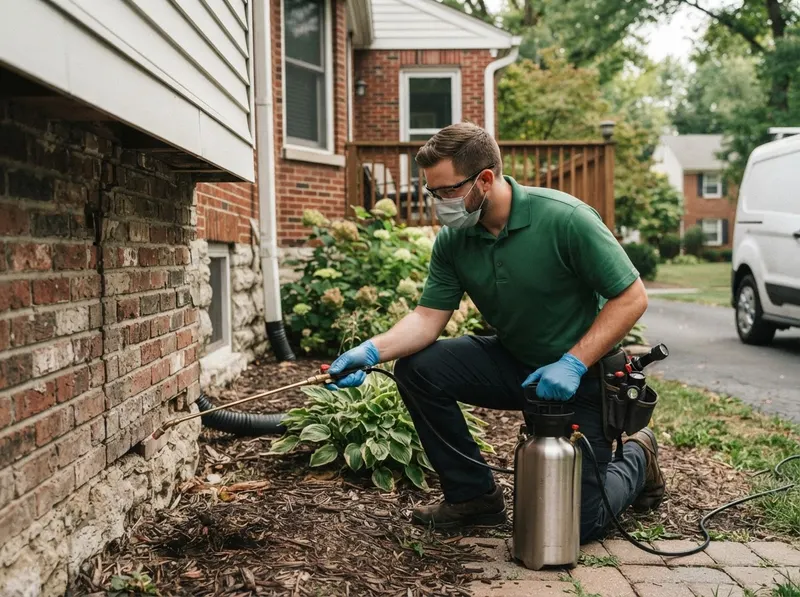
Targeted arachnid eradication prioritizes biological understanding over indiscriminate chemical spraying. Spiders enter residential structures across Franklin County seeking food reserves, primarily small insects drawn to interior humidity, perimeter foundation lights, and damp unfinished basements. A successful protocol pairs direct web evacuation with botanical barrier protection using EPA-classified minimum-risk active ingredients derived from rosemary, thyme, and pyrethrins, alongside structural exclusion designed to keep family environments clean and free of harsh residues. In historic stone basements throughout German Village and Victorian Village, higher atmospheric moisture encourages stable populations of cellar spiders and yellow sac spiders. Conversely, slab-on-grade builds in Worthington Woods and Franklinton frequently experience wolf spider migrations across ground-level door sweeps each autumn as outdoor evening temperatures drop.
Residential treatment scopes are structured to match infestation intensity against structural vulnerability. Homeowners facing sudden seasonal sightings often choose standalone remedial visits, whereas sprawling river-adjacent residences near Grandview Heights or the Scioto Mile Promenade benefit from multi-season barrier maintenance. The mechanical distinction centers on perimeter defense versus interior de-webbing: an outdoor microencapsulated barrier applied compliant with NPMA field standards and Ohio Department of Agriculture pesticide regulations stops wandering hunting spiders before they traverse foundation sills, while interior physical extraction clears existing egg sacs holding up to 300 spiderlings each. This dual focus achieves rapid suppression without saturating food-preparation countertops, children's bedrooms, or pet zones in synthetic residues.
SummitBloom Pest Protection executes every application through an Integrated Pest Management framework aligned with OSU Extension IPM guidelines. Step 1 begins with a physical survey tracking foundation gaps, weep holes, and window framing around Bexley brickwork and Clintonville frame houses. Step 2 utilizes mechanical telescoping poles to sweep webbing and egg cases from soffits, eaves, and high interior ceilings. Step 3 introduces low-toxicity botanical dusts into inaccessible structural wall voids near plumbing penetrations, supported by guidance from the NIOSH chemical safety directory. Step 4 seals external entry points measuring 1/8-inch or wider using silicone sealants and copper mesh, meeting standards recognized by the British Pest Control Association and the PCT Field Handbook. Step 5 installs discreet, non-toxic monitoring traps along baseboards to verify population collapse over a 14-day observation window, adhering to structural entomology protocols established by land-grant university researchers.
Every job gets a firm, written price after a free on-site visit.
Tell us about your spider control columbus, oh job in Columbus and we'll send a clear, written quote, usually the same day.
 SummitBloom Pest Protection