Seasonal pest defense aligns chemical-free physical adjustments and low-impact treatments with insect biological cycles across the Scioto River valley. In early spring, rising soil temperatures trigger subterranean…
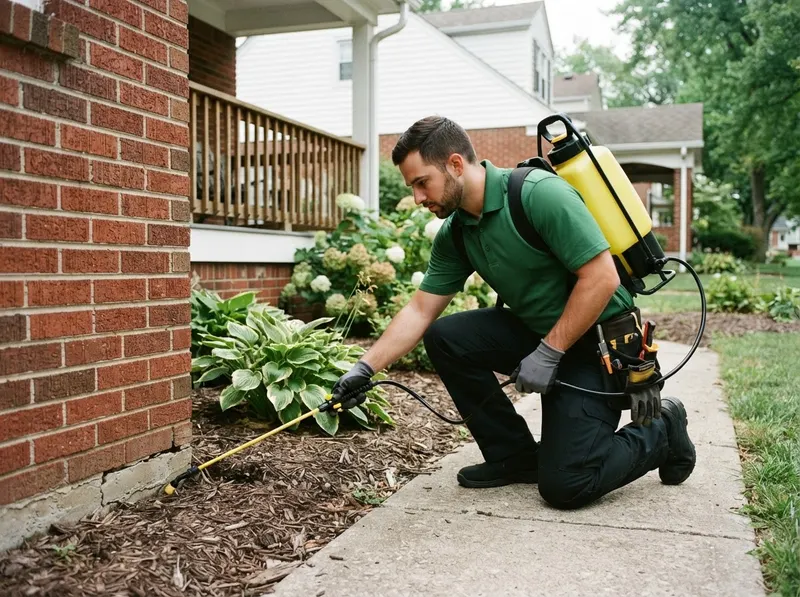
Seasonal pest defense aligns chemical-free physical adjustments and low-impact treatments with insect biological cycles across the Scioto River valley. In early spring, rising soil temperatures trigger subterranean termite swarms and carpenter ant activity near moist foundations in older neighborhoods like German Village and Victorian Village. Technicians apply non-toxic physical barriers, clear damp mulch beds from exterior siding, and deploy botanical treatments verified under the EPA 25(b) exempt guidelines to prevent food-foraging insects from marching indoors without depositing synthetic residues around family living zones.
During late summer and autumn, pests seek warmth inside wall cavities and attics. Stink bugs, boxelder bugs, and western conifer seed bugs migrate toward sunny brick facades in Bexley, Upper Arlington, and Grandview Heights. Technicians inspect high eaves, repair damaged soffit screens, and seal weep screeds using galvanized metal mesh documented by the Purdue Department of Entomology for long-term insect exclusion. This physical barrier stops pests before cold snaps force them deeper into ceiling voids, preventing unmonitored indoor breeding during harsh Central Ohio winters.
When freezing weather arrives in Clintonville, Franklinton, and Worthington Woods, field rodents move indoors to avoid ground frost, chewing wiring and degrading attic insulation. SummitBloom Pest Protection performs targeted exclusion by installing copper mesh and ASTM E2112 compliant sealants along sill plates and foundation cracks larger than 0.25 inches. Following principles published by the National Wildlife Control Training Program, field experts address rodent entryways directly rather than saturating living quarters with indiscriminate second-generation anticoagulant baits.
Homeowners weighing a one-time treatment against year-round maintenance navigate a distinct trade-off: a single visit halts an active seasonal pest wave for 60 to 90 days, whereas structured multi-season monitoring stops migration shifts as insects transition through reproductive stages. Integrated pest management guidelines supported by the Regional Integrated Pest Management Centers, the Ohio State University Extension, the Ohio Department of Agriculture, the USDA Natural Resources Conservation Service, and the CDC Healthy Pets guidance highlight that proactive perimeter sealing combined with seasonal botanical monitoring prevents interior infestations without requiring ongoing monthly chemical indoor sprays.
Every job gets a firm, written price after a free on-site visit.
Tell us about your seasonal pest control columbus, oh job in Columbus and we'll send a clear, written quote, usually the same day.
 SummitBloom Pest Protection